Tyra Banks Sues Netflix Over ANTM Docuseries
Tyra Banks Sues Netflix Over ‘America’s Next Top Model’ Docuseries
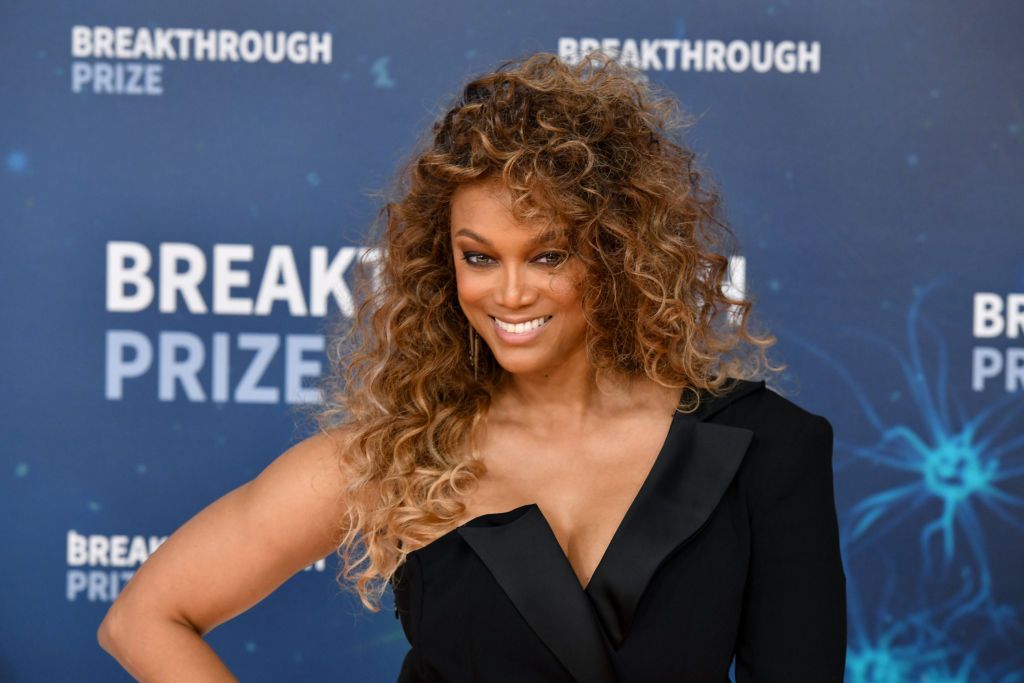
Tyra Banks is taking Netflix to court over its 2026 docuseries Reality Check: Inside America’s Next Top Model, alleging that the streaming platform and filmmakers manipulated her interview to create a false and damaging narrative.
According to the lawsuit, Banks participated in a three-and-a-half-hour interview for the project, but only 16 minutes of that footage made it into the final docuseries. Banks claims key portions of the interview, including moments where she accepted responsibility and expressed regret for controversies surrounding America’s Next Top Model, were omitted from the final edit.
The lawsuit alleges defamation, breach of contract, false endorsement, reputational harm and loss of business income. Banks is also seeking a jury trial.
One of the central issues involves the docuseries’ discussion of former contestant Shandi Sullivan’s allegations that she experienced a sexual assault while participating in the show. Banks argues that the documentary’s editing falsely suggested she was aware of the situation and failed to act appropriately. She further claims she was not given an opportunity to fully respond to certain allegations raised by former contestants and colleagues.
Netflix has not publicly responded to the lawsuit.
A Viewer’s Perspective
As someone who watched the docuseries and grew up as a fan of America’s Next Top Model, one of the most disappointing aspects of the series was the lack of accountability from all parties involved.
The documentary left many viewers with the impression that responsibility was being deflected rather than acknowledged. That perception became a major talking point online following the series’ release.
Because of that, the lawsuit makes sense from a viewer’s standpoint. If Banks can prove that significant portions of her interview were edited out or taken out of context, the courts will ultimately have to decide whether the final product accurately represented her comments and intentions.
What’s particularly interesting is Banks’ claim that she spent hours discussing the show’s legacy, accepting responsibility for mistakes and expressing regret over controversial moments, only for those portions to be excluded from the finished documentary. If that allegation proves true, it could raise broader questions about documentary editing and how narratives are shaped for audiences.
The Bigger Conversation
Regardless of how the lawsuit unfolds, the case has reignited a larger debate about accountability, reality television and the responsibility of documentary filmmakers.
Can a documentary be both compelling and fair? Where is the line between editing for clarity and editing to create a narrative? And when viewers form opinions about a public figure, how much responsibility falls on the filmmakers presenting the story?
Those are questions a jury may eventually have to consider.
What are your thoughts? If you watched Reality Check: Inside America’s Next Top Model, do you believe the docuseries presented a fair portrayal of Tyra Banks, or do you think important context may have been left out?





